

FAQs
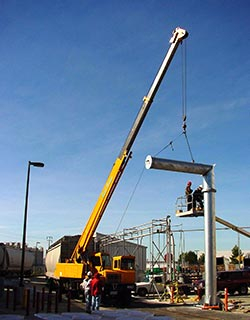
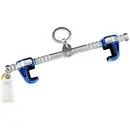
The appropriate solution depends on the work environment, available overhead structure, worker movement requirements, number of users, fall clearance, and OSHA or ANSI compliance requirements. CAI Safety can help identify the best solution for a specific application.
The appropriate ladder depends on factors such as working height, load capacity, mobility requirements, environmental conditions, frequency of use, and applicable safety regulations. CAI Safety can help determine the most suitable solution for a specific application.
The appropriate system depends on roof design, worker exposure, number of users, fall hazards, access requirements, structural capacity, and applicable OSHA and ANSI regulations. CAI Safety can help determine the most suitable solution for a specific application.
The appropriate system depends on roof layout, worker access requirements, number of users, structural capacity, fall clearance requirements, environmental conditions, and applicable OSHA and ANSI regulations. CAI Safety can help determine the most suitable solution for a specific application.

FAQs

The appropriate solution depends on factors such as skylight size, roof type, worker access requirements, building layout, and applicable safety regulations. CAI Safety can help identify the most suitable system for a specific application.

FAQs

Roof skylight systems create a protective barrier around skylights and roof openings, helping workers safely perform inspections, maintenance, and repair activities while minimizing fall hazards.

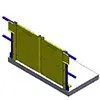
Safety gates help create a controlled access point by automatically closing after passage, reducing the risk of accidental falls and helping maintain a continuous protective barrier.
Self-closing gates automatically return to the closed position after a worker passes through, helping ensure that the opening remains protected without requiring manual closure.
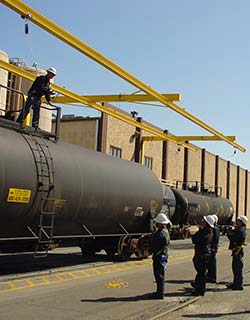
Workers connect their harness and lanyard or self-retracting lifeline (SRL) to a traveler or attachment device that moves along the horizontal lifeline, providing continuous fall protection while allowing mobility.

FAQs

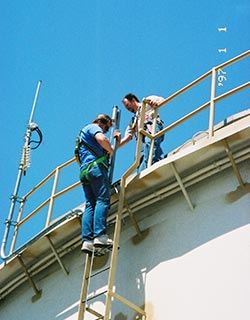
For safe transitions, the ladder safety system should be configured so the user can remain protected while moving onto/off the upper landing. According to compliance, the fall arrest system must extend at least 3ft. (36") above the top rung of the ladder for safe transition.  The exact “extension above the top rung/landing” depends on:

  • the ladder type (through vs. side-step),
  • the landing geometry,
  • and the manufacturer’s system requirements for the rail/cable termination and connector travel.

Related CAISS resources:

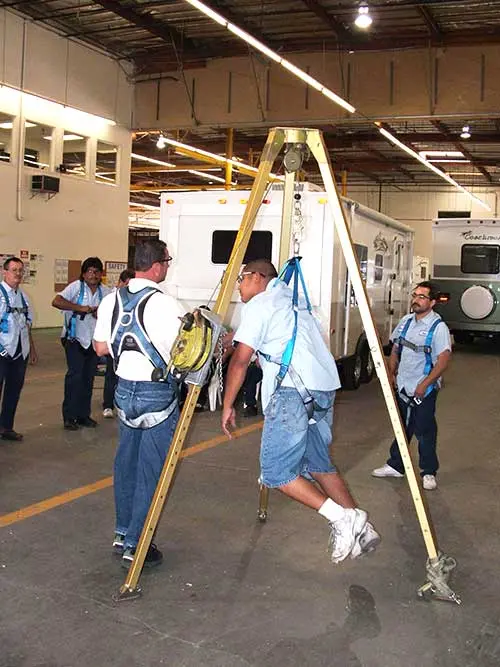
The number of permitted users depends on the anchor design, engineering specifications, and applicable safety standards. Some anchors are rated for single-user applications, while others may support multiple users.
The number of users depends on the system design, engineering specifications, anchor capacity, and applicable safety standards. Some systems support multiple users simultaneously.
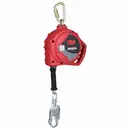
Required fall clearance varies by SRL model, anchorage height, worker location, free-fall distance, deceleration distance, worker height, harness stretch, and the safety margin above the lower level. Do not rely on one universal clearance value. Use the manufacturer's fall-clearance chart and evaluate the actual work area before selecting the device. A qualified fall protection competent person should confirm that adequate clearance is available.

FAQs

ANSI standards are periodically reviewed and revised to address new technologies, industry practices, and evolving workplace safety requirements.

FAQs

Two layers of inspection matter:

  1. Pre-use / frequent user checks (OSHA-required):
    • General industry requires personal fall protection systems be inspected before initial use during each work shift and removed from service if defective. OSHA
    • Construction requires PFAS be inspected prior to each use and defective components removed. OSHA
  2. Formal documented inspections (often required by state rules, owners, or ANSI programs):
    • Cal-OSHA requires fall protection systems/components be formally inspected and documented at least twice annually by a competent person. Cal DIR

Related CAISS resources:

FAQs

Most organizations benefit from regular safety audits, with frequency depending on industry risks, regulations, and operational changes.

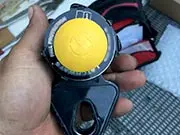
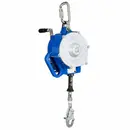
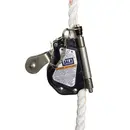
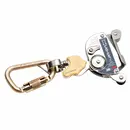
Inspect the SRL before each use or work shift for damaged webbing or cable, cuts, abrasion, corrosion, distorted connectors, unreadable labels, improper retraction, and failure of the locking mechanism. Complete formal periodic inspections at the frequency required by the manufacturer and the employer's fall protection program. Any SRL that arrests a fall must be removed from service immediately and evaluated before reuse.

FAQs

Under OSHA’s fixed ladder rules, fixed ladders extending more than 24 feet above a lower level generally must have a ladder safety system or personal fall arrest system (instead of relying on cages alone).

Related CAISS resources:

FAQs

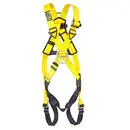
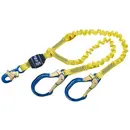
User equipment comprises devices such as SRLs, Harnesses, Lanyards, etc. You are required by law, and the manufacturer of the equipment, to adhere to strict inspection, use, and maintenance requirements. At CAISS, our competent inspectors conduct comprehensive functional tests on the fall protection equipment to ensure that it is operating properly and that all components are working together as intended.

NOTE: CAISS does not repair your equipment in this inspection program. We will provide you with suggestions on the necessary repair, replacement, or modification of the equipment on inspection completion in a detailed report.

  • Placing your order online: Visit Fall Protection User Equipment Inspection page and place your order by choosing the correct equipment. Input the "Brand" and "Model #" of the equipment. (if you do not have this on hand, CAISS will contact you after receiving the order)
  • Once the above information is received, our customer service will provide you with a Inspection Authorization Number (IAN#). Reference this number on the exterior of all packages you are shipping.
  • When shipping your equipment to CAISS, please remember to arrange a return as well with your shipping carrier.
  • Inspection paperwork is included with all repaired products returned to you.
  • Upon completion of the service, we will confirm shipment to the destination noted on the purchase order.
  • The program guarantees a 4-5 business days turnaround time up to 12 units. For more than 12 units, please call us to verify lead time.
  • The client is responsible for freight costs to CAISS and return to the client.

Related CAISS resources:

FAQs

ANSI standards emphasize proper training, and OSHA requires workers exposed to fall hazards to be trained by a competent person to recognize hazards and use fall protection equipment correctly.