




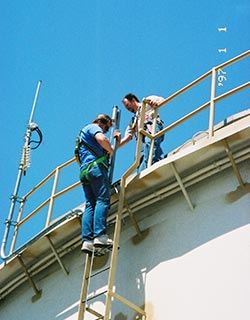
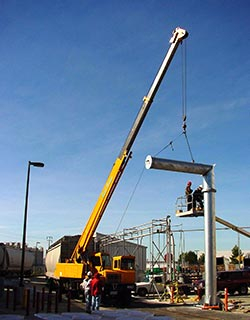


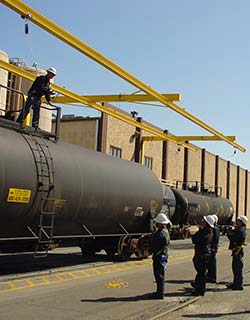
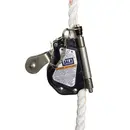
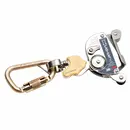
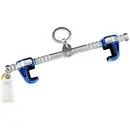

OSHA fall protection refers to the regulations, requirements, and safety practices established by the Occupational Safety and Health Administration (OSHA) to protect workers from fall hazards in the workplace.
OSHA generally requires fall protection when workers are exposed to falls of 4 feet or more in general industry, 5 feet in maritime operations, 6 feet in construction, and 8 feet in longshoring operations.
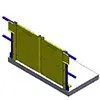
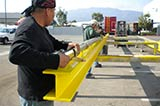
OSHA recognizes several forms of fall protection, including guardrail systems, personal fall arrest systems (PFAS), safety nets, warning line systems, travel restraint systems, and designated area systems where applicable.
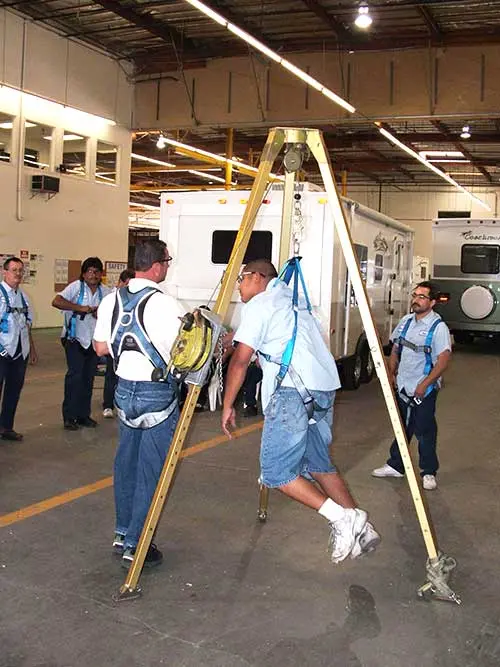
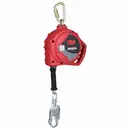
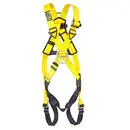
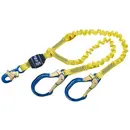
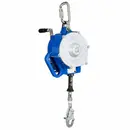
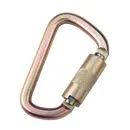
A personal fall arrest system is a combination of equipment including an anchorage, full-body harness, and connecting device designed to safely stop a worker during a fall.
Yes. OSHA requires employers to train workers who may be exposed to fall hazards so they can recognize risks and properly use fall protection equipment and procedures.
Fall prevention systems help stop workers from reaching a fall hazard, while fall arrest systems are designed to safely stop a worker after a fall has occurred.
Yes. OSHA requires fall protection equipment to be inspected regularly to ensure it remains in safe working condition and capable of performing as intended.
Fall protection is commonly required in construction, manufacturing, warehousing, utilities, transportation, telecommunications, facility maintenance, and industrial operations where employees work at elevated locations.
Employers can improve compliance by conducting hazard assessments, implementing fall protection plans, providing worker training, performing equipment inspections, and using OSHA-compliant fall protection systems.
Yes. CAI Safety offers OSHA-compliant fall protection systems, safety equipment, training programs, engineered solutions, and consulting services designed to help organizations improve worker safety and regulatory compliance.