







FAQs
The appropriate solution depends on factors such as skylight size, roof type, worker access requirements, building layout, and applicable safety regulations. CAI Safety can help identify the most suitable system for a specific application.
FAQs
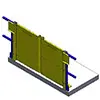
Roof skylight systems create a protective barrier around skylights and roof openings, helping workers safely perform inspections, maintenance, and repair activities while minimizing fall hazards.
FAQs
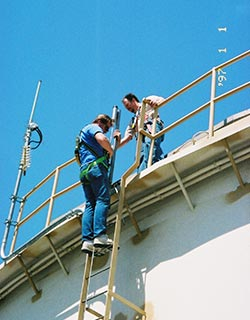
For safe transitions, the ladder safety system should be configured so the user can remain protected while moving onto/off the upper landing. According to compliance, the fall arrest system must extend at least 3ft. (36") above the top rung of the ladder for safe transition. The exact “extension above the top rung/landing” depends on:
- the ladder type (through vs. side-step),
- the landing geometry,
- and the manufacturer’s system requirements for the rail/cable termination and connector travel.
Related CAISS resources:
CAI Safety's modular access stair systems can be used for access up to 20 feet in height, including configurations with change-in-direction platforms. The system can also be designed for specific application requirements.
FAQs
ANSI standards are periodically reviewed and revised to address new technologies, industry practices, and evolving workplace safety requirements.
FAQs
Two layers of inspection matter:
- Pre-use / frequent user checks (OSHA-required):
- Formal documented inspections (often required by state rules, owners, or ANSI programs):
- Cal-OSHA requires fall protection systems/components be formally inspected and documented at least twice annually by a competent person. Cal DIR
Related CAISS resources:
FAQs
Under OSHA’s fixed ladder rules, fixed ladders extending more than 24 feet above a lower level generally must have a ladder safety system or personal fall arrest system (instead of relying on cages alone).
Related CAISS resources: