
FAQs
Yes. OSHA requires fall protection equipment to be inspected regularly to ensure it remains in safe working condition and capable of performing as intended.

FAQs

Freight rates are calculated based on the prevailing freight market value when the quotation is created.

When CAISS sends clients a quotation, freight cost is included to ship the items/material to the shipping address provided by the client.

Freight cost provided in the quotation is valid for 3 weeks from the delivery of the quotation to the client (via email). In this case, if you wish to convert the quotation into an order after 3 weeks have past, we will require to update the freight cost prior to processing the order.

For some items in our inventory, freight cost cannot be pre-determined due to the complexity of the packaging (Items are overweight, bundled individually, and/or exceeds dimensional limits). At this point, CAISS will include "**Freight To Be Determined when ready to Ship" at zero cost in the quotation to let you know that we will seek your approval for freight cost when the material is ready to ship.

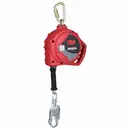
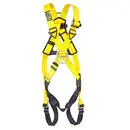
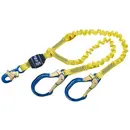
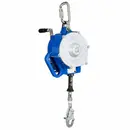
CAI Safety can help evaluate the application type, anchor location, Class 1 or Class 2 capability, leading-edge exposure, required length, fall clearance, swing-fall potential, lifeline material, connector configuration, rescue requirements, and work environment. Use the filters on this page to narrow the available products, then contact CAI Safety for additional selection assistance. Final equipment selection and system compatibility must be confirmed by a qualified fall protection competent person.
Employers can improve compliance by conducting hazard assessments, implementing fall protection plans, providing worker training, performing equipment inspections, and using OSHA-compliant fall protection systems.

FAQs

Safety consulting identifies hazards, improves safety procedures, enhances employee awareness, and helps organizations implement preventive measures that reduce accidents and injuries.

Swing fall occurs when a worker moves horizontally away from the anchorage and falls in a pendulum-like path. The worker may strike a wall, column, equipment, or another obstruction. Locate the anchorage as directly overhead as practical, limit side travel, and follow the manufacturer's allowable working-angle and setback requirements. A horizontal lifeline or mobile anchorage may be needed when the work area is too wide for one fixed anchor.

FAQs

Access stairs and platforms create designated walking and working surfaces, reduce climbing risks, improve worker stability, and help organizations maintain safer access to elevated locations.

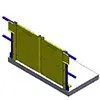
Unlike traditional swing gates, cantilever gates open vertically upward, eliminating the need for side clearance and preserving valuable workspace around the loading dock area.

FAQs

Guardrail systems provide continuous protection without requiring workers to connect to personal fall arrest equipment, helping reduce fall risks and improve safety compliance.

The appropriate crossover stair bridge depends on obstacle dimensions, required clearance, load capacity, available space, environmental conditions, worker traffic, and applicable safety regulations. CAI Safety can help determine the most suitable solution for a specific application.

FAQs

The appropriate anchor depends on factors such as the work environment, available structural support, roof type, worker mobility requirements, fall clearance, and whether a permanent or temporary solution is needed. CAI Safety can assist with anchor selection based on specific safety requirements.

The appropriate anchor depends on roof type, structural capacity, worker access requirements, fall protection needs, environmental conditions, and applicable OSHA and ANSI regulations. CAI Safety can help determine the most suitable solution for a specific application.
The appropriate fold down ladder depends on access height, available space, mounting requirements, load capacity, environmental conditions, frequency of use, and applicable OSHA safety requirements. CAI Safety can help determine the most suitable solution for a specific application.

FAQs

The best guardrail solution depends on factors such as roof type, building layout, fall hazards, worker access requirements, and applicable OSHA regulations. CAI Safety can help determine the most appropriate system for your specific application.

The appropriate safety gate depends on the opening size, access point type, environmental conditions, fall hazards, and applicable safety requirements. CAI Safety can help identify the most suitable solution for your application.
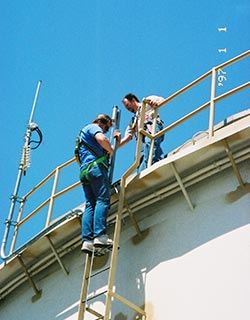
The best solution depends on ladder height, structure type, worker access requirements, environmental conditions, rescue needs, and applicable OSHA or ANSI requirements. CAI Safety can help determine the most appropriate system for a specific application.
The appropriate safety gate depends on factors such as opening width, mounting location, environmental conditions, worker access requirements, and applicable OSHA safety standards. CAI Safety can help identify the best solution for a specific application.
The appropriate solution depends on factors such as dock opening width, available overhead clearance, traffic patterns, loading operations, and OSHA compliance requirements. CAI Safety can help determine the most suitable gate system for your specific application.
The appropriate gate depends on factors such as opening size, available clearance, material handling methods, pallet transfer requirements, worker access needs, and applicable safety regulations. CAI Safety can help determine the most suitable solution for a specific application.
The appropriate system depends on worker mobility requirements, work area size, fall hazards, environmental conditions, required anchorage capacity, and applicable OSHA or ANSI requirements. CAI Safety can help identify the best solution for a specific application.