







FAQs
Yes. CAI Safety conducts onsite fall protection training at customer facilities, allowing organizations to train multiple employees while focusing on site-specific hazards and equipment.
FAQs
CAI Safety Systems, Inc. does not ship some Fall Protection, Fall Arrest, or Fall Restraint Systems outside the Continental US **. Here’s why…
- Some CAISS fall protection systems have been rated to comply with USA Federal OSHA, Cal-OSHA, ANSI, and other US compliance standards and regulations.
- Due to conflicts with the compliance standards and regulations of other countries, such as Canada, Mexico, and Europe, these fall protection systems may or may not comply with local standards.
- Products marked with: “Availability: CAISS does not ship this product outside the continental USA.” qualify for this category.
- If you would like to purchase one of these systems outside the United States, please contact your local fall protection distributor such as 3M, Honeywell, etc.
- If you have any questions, please contact us.
- For Canada, a good source for fall protection material would be:
- 3M Canada https://www.3mcanada.ca/3M/en_CA/p/c/ppe/fall-protection/
- ORS Canada http://orscanada.com/
** Continental United States: Includes all continental states, Alaska, and Hawaii.
FAQs
Yes, CAISS can ship to Canada, but requires our clients to provide us with their Canadian Customs Freight Broker information. Typically, we will require the Broker Name, Phone Number, Contact Name, and any other details.
FAQs
Yes. Fall protection anchors are designed to work with compatible user equipment such as full-body harnesses, lanyards, self-retracting lifelines (SRLs), and other fall arrest components.
Yes. Guardrail systems can typically be retrofitted onto existing commercial, industrial, and institutional buildings to improve rooftop safety and reduce fall hazards.
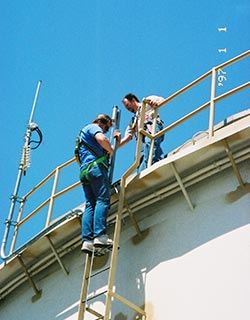
You can browse CAI’s online store for fall protection equipment and selected configurable systems, including guardrails, safety gates, and ladder fall arrest systems. Product pages provide pricing or quote options and supporting information. For custom engineered systems, installation services, or questions about suitability and compatibility, contact CAI before ordering so we can review your application.