






FAQs
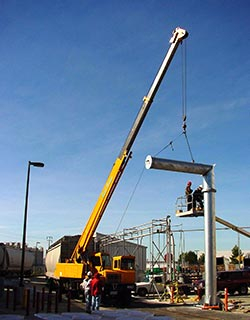
CAI Safety Systems Inc offers a variety of fall protection anchors, including counterweight anchors, freestanding anchors, fixed roof anchors, counterweight rooftop anchors, and portable vacuum anchors for different applications and environments.
FAQs
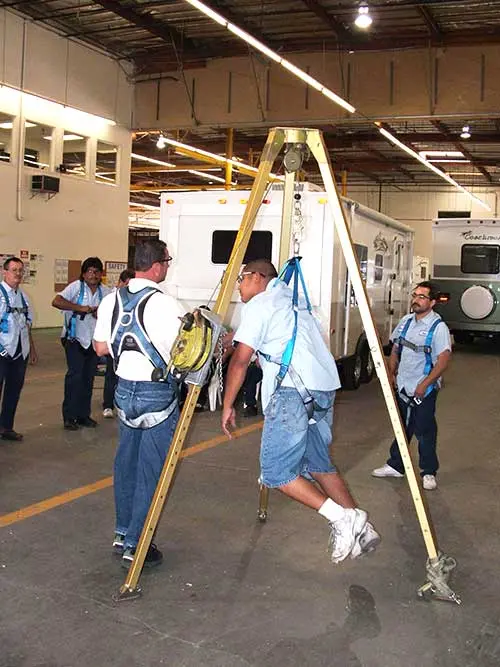
CAI Safety offers Competent Person Training, Authorized Person Training, and Train the Trainer courses designed for different levels of responsibility and experience.
CAI Safety offers a variety of guardrail solutions, including freestanding guardrails, parapet-mounted guardrails, roof hatch guardrails, and skylight protection systems designed for different applications.
FAQs
CAI Safety offers roof skylight protection solutions including roof skylight systems, fixed dome skylight screens, roof hatch guards, and roof hatch guardrail systems designed to protect workers from fall hazards.
FAQs
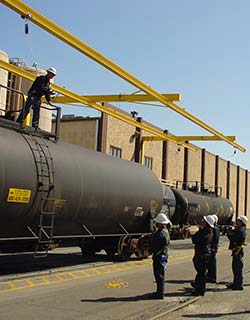
If you have a fall protection system that requires a full body harness and tying off to an anchor or horizontal lifeline, you are required by law, and the manufacturer of the equipment, to adhere to strict inspection, use, and maintenance requirements. At CAI Safety Systems, our competent inspectors conduct comprehensive functional tests on the fall protection equipment to ensure that it is operating properly and that all components are working together as intended.
NOTE: CAISS does not repair your equipment in this inspection program. We will provide you with suggestions on the necessary repair, replacement, or modification of the equipment on inspection completion in a detailed report.
- Functionality: Our inspector will conduct a functional test of the fall protection system to ensure that it is operating properly and that all components are working together as intended.
- Tag-Out: If any defects or damage are found during the inspection, we will alert you and advise if the system needs to be taken out of service or may continue in use until repairs or replacement can be made.
- Replacements: We will provide a proposal if necessary to repair, replace, or modify any part of the fall protection system.
- Update Labels: The existing labels will be updated with the current inspection date for the benefit of all future users.
- Inspection Report: A report will be generated to provide an executive summary.
- Inspection reports for each component, identifying items that failed the inspection or are showing signs of wear and tear.
- If necessary, we will point out any current procedures that could be modified or added to improve safety and longevity of your system.
- We will provide a proposal if necessary to repair, replace, or modify any part of the fall protection system.
Related CAISS resources: